
Category: blog
-
Hospital Emergency Management: An Operational Guide for Infant Care Units

Hospital emergency management is the operational discipline of activating, running, and closing out an emergency response. It is distinct from emergency planning — planning happens at a desk, months in advance; emergency management happens in real time, under pressure, with incomplete information. The two are inseparable, but they require different skills. For NICU and infant… Read more
-
Hospital Fire Safety for NICUs and Infant Units

Hospital fires are rare, but when they occur, infant care units face challenges unlike any other area of the facility. Patients who cannot walk, cannot respond to alarms, and depend on equipment that must stay running even during an emergency. The standard advice — activate the alarm, evacuate by stairs, do not use elevators —… Read more
-
Shelter-in-Place vs. Evacuate: A Decision Framework for NICUs

Smoke is reported in a mechanical room two floors below the NICU. The alarm is sounding. In the unit, nine infants rest in incubators, three on respiratory support. The charge nurse faces a decision that has to be made in seconds: keep these babies where they are and defend the unit, or start moving them… Read more
-
Hospital Emergency Operations Plan: Building Infant and NICU Readiness

A water main breaks near your hospital at 6 a.m. By 7:30, the campus has lost its supply, and the facilities manager warns that boilers and sterilization equipment will be offline within the hour. In the NICU, eleven infants depend on warmed air and continuous monitoring. The charge nurse asks a fair question: what does… Read more
-
Hospital Evacuation Equipment Buying Guide for Procurement Officers

Disclaimer: This article provides general educational information about hospital equipment procurement and is not professional procurement consulting, legal advice, or financial guidance. Healthcare facilities should consult procurement specialists, legal counsel, and financial advisors when making significant equipment purchases. Verify all regulatory requirements with relevant authorities. Financial, procurement, and grant information is general in nature and… Read more
-
Hospital Infant Evacuation: Case Studies & Lessons Learned
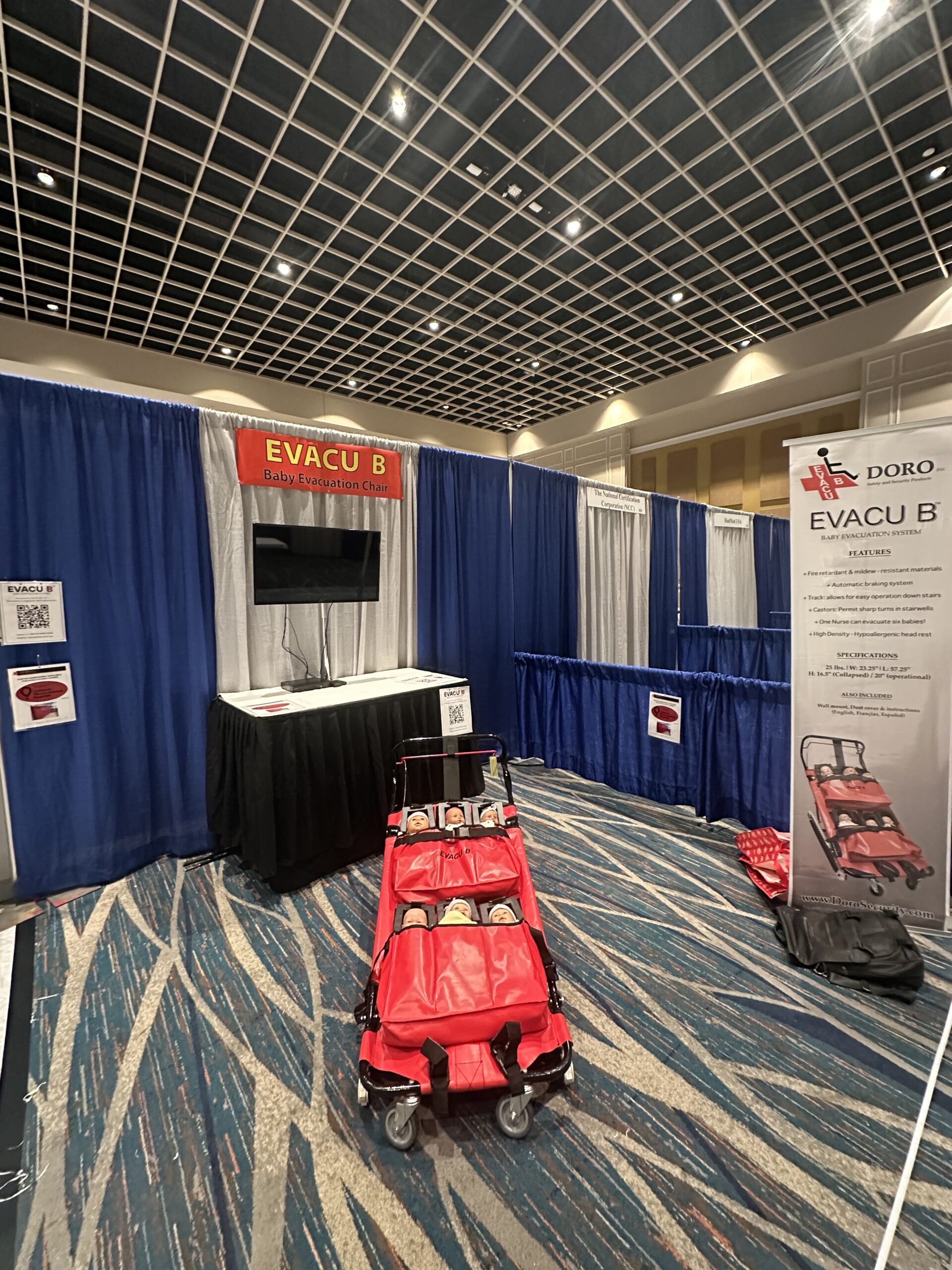
Disclaimer: This article provides general educational information about hospital emergency evacuations and is not professional medical, safety, or consulting advice. Healthcare facilities should consult qualified safety professionals and develop facility-specific evacuation plans with input from clinical staff, fire safety experts, and regulatory authorities. Case study information is compiled from publicly available sources including news reports,… Read more
-
Maternity Ward Emergency Evacuation: Equipment & Procedures
Disclaimer: This article provides general educational information about hospital emergency evacuation planning and is not professional medical, safety, or consulting advice. Healthcare facilities should consult qualified safety professionals, legal counsel, and regulatory authorities to ensure compliance with applicable standards. Maternity ward evacuation procedures should be developed with input from obstetricians, nurse-midwives, and maternal health specialists… Read more
-
Infant Evacuation Equipment Compared: Sleds vs Vests vs Cribs
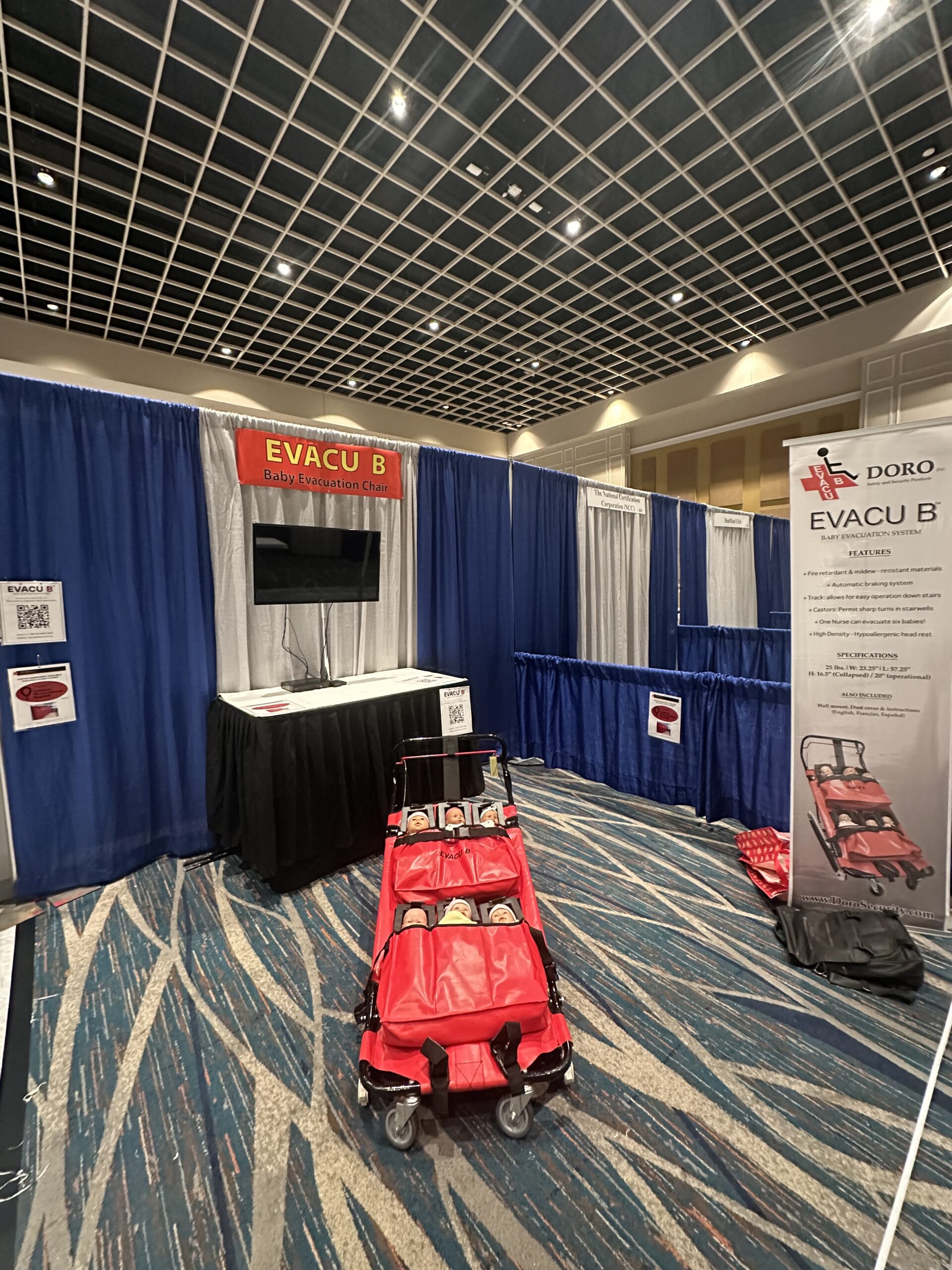
Disclaimer: This article provides general educational information about hospital emergency evacuation equipment and is not professional medical, safety, or consulting advice. Healthcare facilities should consult qualified safety professionals, legal counsel, and regulatory authorities to ensure compliance with applicable standards. Regulatory requirements vary by jurisdiction and change over time—verify current requirements with relevant authorities. Product performance,… Read more
-
Why communication failures make multi-story evacuations so dangerous

Communication failures plague multi-story evacuations more severely than horizontal movements. Teams in enclosed stairwells lose visual and auditory contact with incident command. Radio signals may not penetrate concrete stairwell structures. Teams don’t know if the floors below them are safe or if they’re descending into hazards. Without reliable two-way communication, vertical evacuation teams operate blindly,… Read more
-
NICU Evacuation Drills: Planning, Requirements, and Best Practices

Disclaimer: This article provides general educational information about hospital emergency evacuation planning and is not professional medical, legal, or safety consulting advice. Healthcare facilities should consult qualified safety professionals, legal counsel, and regulatory authorities to ensure compliance with applicable standards. Regulatory requirements vary by jurisdiction and change over time – verify current requirements with The… Read more